
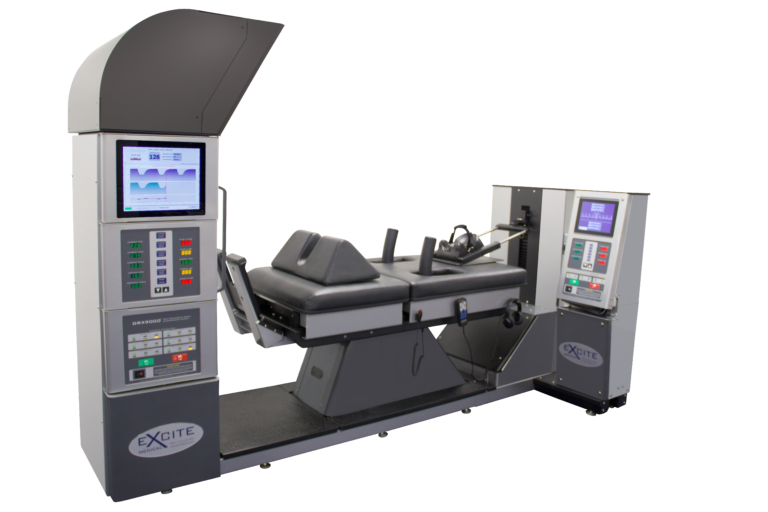
NON-SURGICAL SPINAL DECOMPRESSION
What is Spinal Decompression?
Spinal decompression describes different types of treatment that can offer back pain relief by taking pressure off the neural elements of your spine.
Anyone who has been told they need surgery but wishes to avoid it, anyone who has been told there is nothing more available to help, anyone who failed to significantly respond to conservative options (medications, physical therapy, injections, chiropractic, acupuncture), or anyone who still has pain but wishes to obtain the type of care they want.
-Bulging disks, when a cushion between vertebrae bulges out.
-Degenerative disks, when the cushion between vertebrae starts wearing out.
-Herniated disks, when part of a disk pushes on a nerve.
-Pinched Nerves, when a nerve gets pinched (compressed), causing numbness, pain or tingling.
- Sciatica, damage to your sciatic nerve.
-Spinal Stenosis, narrowing of spaces in your spine due to bone spurs or bulging or herniated disks.
Low back pain can be caused by a number of factors from injuries to the effects of aging. The spinal cord is protected by the vertebrae, which are made of bone. Between each vertebra are soft discs with a ligamentous outer layer. These discs function as shock absorbers to protect the vertebra and the spinal cord. Many of the problems that cause back pain are the result of herniation and degeneration of the intervertebral disc. Degeneration is a process where wear and tear causes deterioration of the disc. Herniations, or bulging of the disc are protrusions from the disc that press on surrounding nerves, causing pain or numbness.
DRX-9000® spinal decompression therapy is a non-surgical treatment designed to relieve pressure on spinal discs and surrounding nerves. It uses advanced computer-controlled technology to gently stretch the spine with a level of precision that traditional traction systems cannot provide. This targeted approach allows treatment to focus on the exact area causing pain.
Most patients do not experience any side effects. Though, there have been some mild cases of muscle spasm for a short period of time.
Most patients report a reduction in pain after the first few sessions. Typically, significant improvement is obtained by the second week of treatment.
No. Spinal Decompression is totally safe and comfortable for all subjects. The system has emergency stop switches, These switches (a requirement of the FDA) terminate the treatment immediately thereby avoiding any injuries.
Traction is helpful at treating some of the conditions resulting from herniated or degeneration. Traction cannot address the source of the problem. Spinal Decompression creates a negative pressure or a vacuum inside the disc. This effect causes the disc to pull in the herniation and the increase in negative pressure also causes the flow of blood and nutrients back into the disc allowing the body’s natural fibroblastic response to heal the injury and re-hydrate the disc. Traction and inversion tables, at best, can lower the intradiscal pressure from a +90 to a +30 mmHg. Spinal Decompression is clinically proven to reduce the intradiscal pressure to between a -150 to -200 mmHg. Traction triggers the body’s normal response to stretching by creating painful muscle spasms that worsen the pain in affected area.
Take the first step to a pain free life! Contact us to schedule
your complimentary consultation.