Services

unnamed image
unnamed image

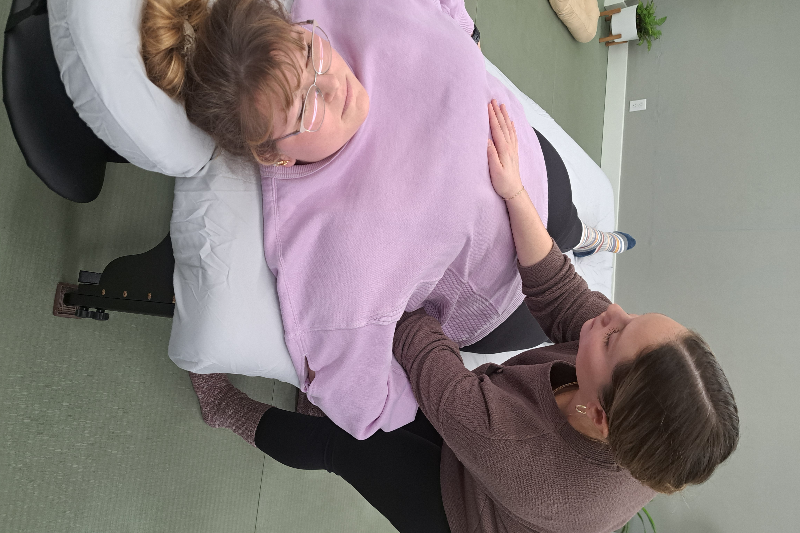
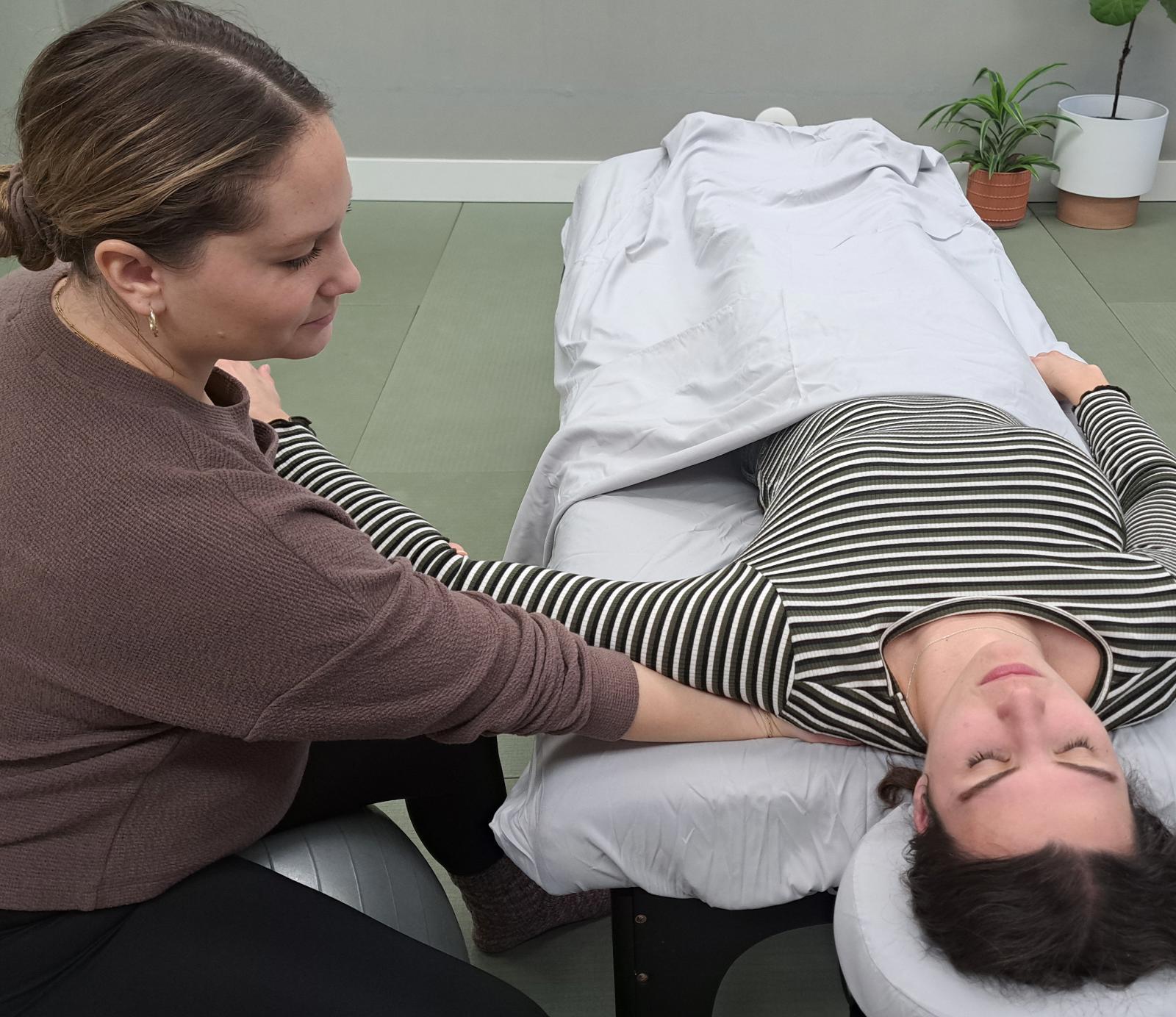
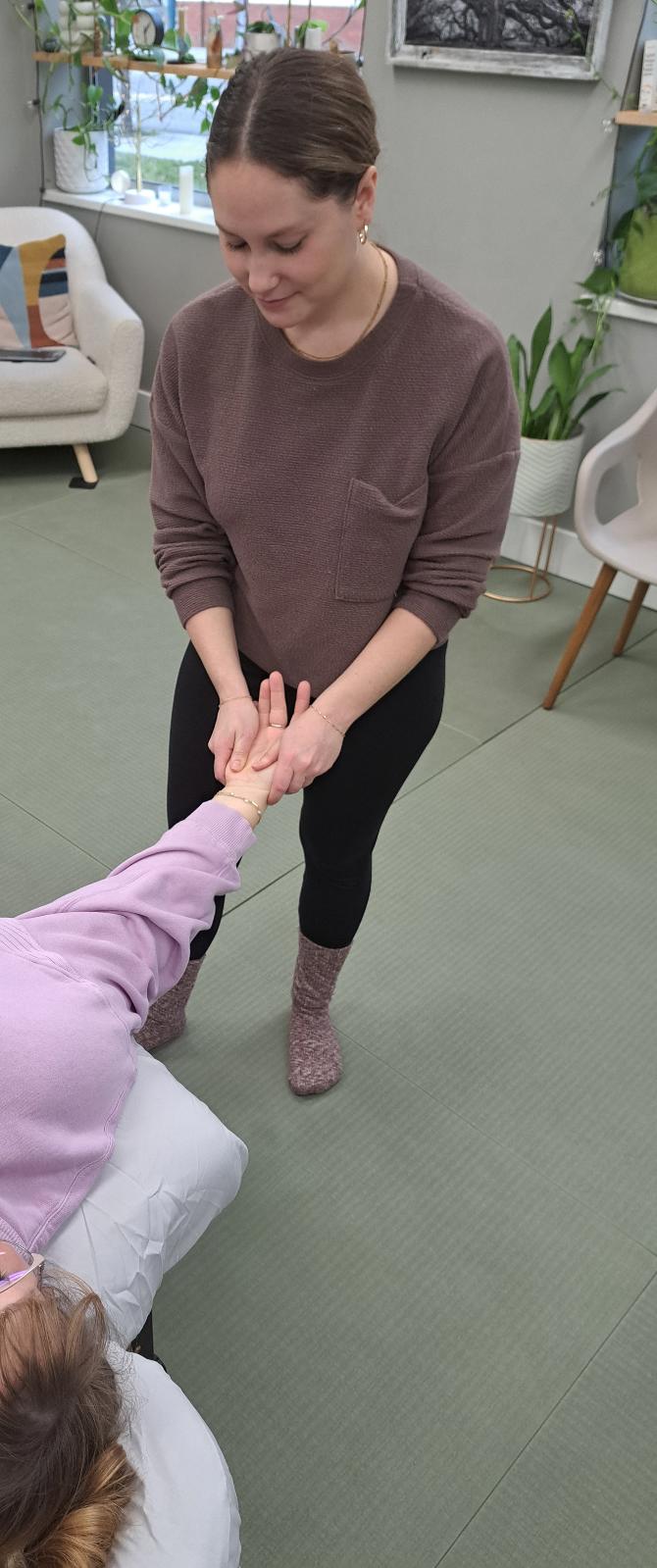
My current availability at the studio for CST is:


Wednesdays: 7 am - 2:30 pm

I can do in-home visits on different days and hours. If you need an in-home visit or are experiencing financial difficulties, please feel free to contact me to discuss accommodations. At the studio, there will eventually be yoga sessions available from me as well and those are to be determined.


What can be addressed and additional benefits:


  1. Assisting the body to go into relaxation (parasympathetic) mode
  2. Muscle tone- reducing high tone and tension (unwinding fascial restrictions) to improve mobility
  3. Anxiousness/stress
  4. Headaches/migraines
  5. TMJ syndrome
  6. Connective tissue disorders/EDS/hypermobility syndromes
  7. Whiplash
  8. Tinnitus
  9. Vertigo
  10. Scar tissue
  11. Chronic pain/fibromyalgia/MS
  12. Digestion
  13. Sleep regulation
  14. Sinus congestion
  15. Sensory seeking behaviors (such as head banging and hyperactivity)
  16. Body awareness- if the person has low muscle tone this is beneficial to "wake up" the mind-body connection to improve coordination
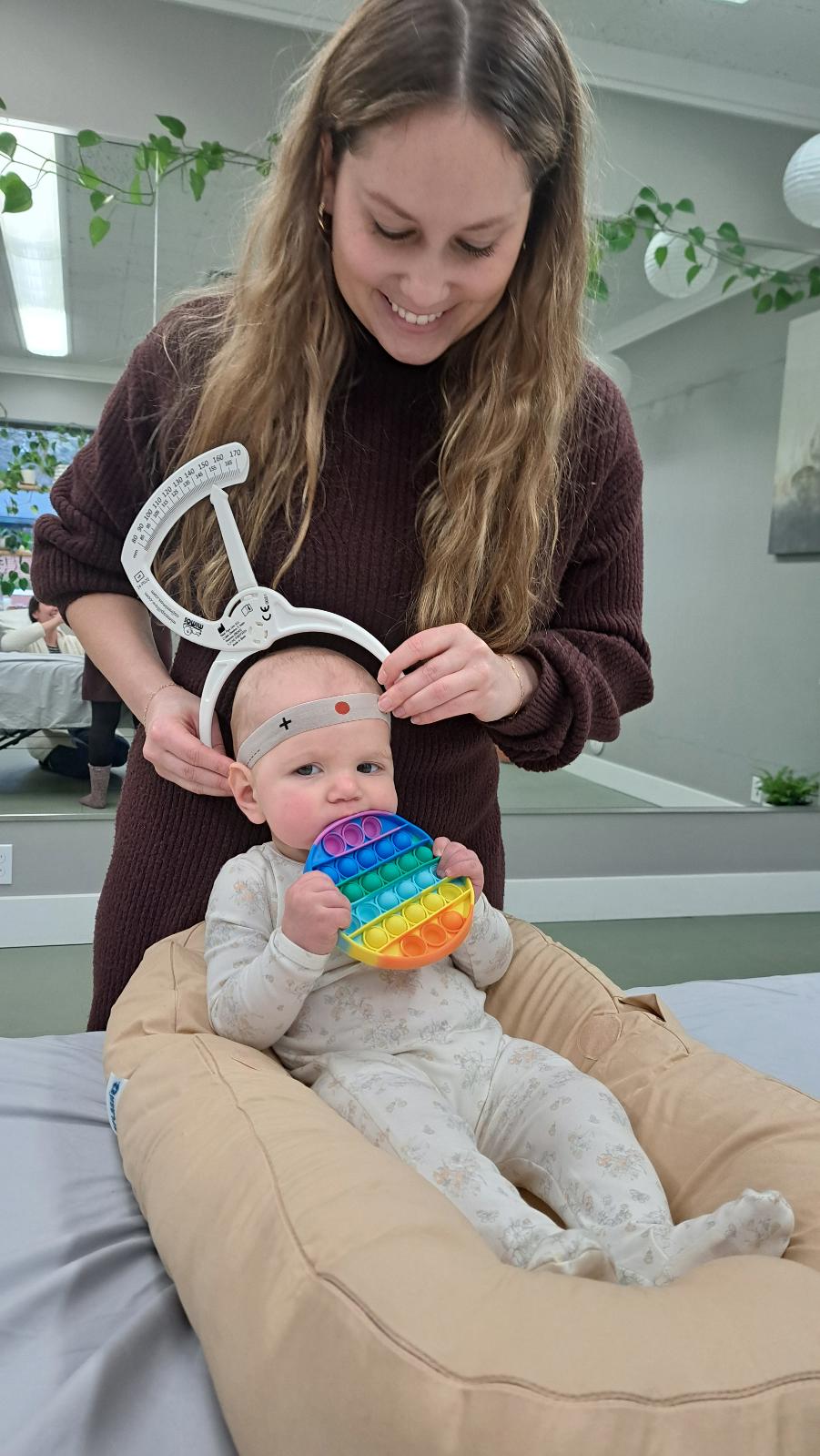
  17. Specifically for infants- abnormal cephalic formations, such as "getting a flat spot" on the baby's head (plagiocephaly or brachycephaly), and having difficulty turning baby's head to both sides due to muscle tension in the neck (torticollis). Also the tension that stems from tongue ties that can impact breastfeeding/feeding, colic, and reflux (adults with tongue ties can also be impacted with muscle tension)
  18. and more!


What is the CranioSacral system?

The CranioSacral system is comprised of the nervous system, cerebrospinal fluid, and fascia. The nervous system is our brain, spinal cord, and our nerves throughout our body, which controls all of our thoughts/feelings, senses, and body movements. The fluid that envelopes our brain and spinal cord is the cerebrospinal fluid. Its main functions are to protect our nervous system with shock absorption as well as keep it healthy with management of nutrients. When this fluid has decreased flow, it can have a build up of waste products, and CST can improve the flow again. Fascia is the foundation to our muscle cells. Depending on how compressed the fascia is determines if our muscles feel tight or relaxed. How the nervous system, cerebrospinal fluid, and fascia all interact are a large part of our physical and mental health. I believe it is important for people to have this knowledge as it will help them conceptualize what is happening within their body. When someone is having difficulty with aspects of the CranioSacral system it can lead to dysfunction, which results in needing help with the above-mentioned services. The gentle massage-like and non-invasive approach of CranioSacral Therapy (CST), can address these aspects of the body in a transformative way to meet your health goals.


What is the benefit of an Occupational Therapist performing CST?


As an occupational therapist (OT), I have education and clinical knowledge of the neurobiology of our bodies and how dysfunction causes physical and mental health difficulties. These difficulties then impact how people perform in their daily life tasks. I have been trained in a variety of modalities to help people with their overall health and task performance, but I have found that CST addresses the root of many of the problems. An additional benefit to being an OT is I am able to welcome and work with clientele that may have severe physical, cognitive, and social/emotional disabilities.